Sensory assessment

On this page
Every child takes in the senses differently. Some feel things more strongly, some seek out more. Usually that is fine, but when it starts to get in the way of everyday life, an assessment helps you understand what your child needs.
What parents often tell us
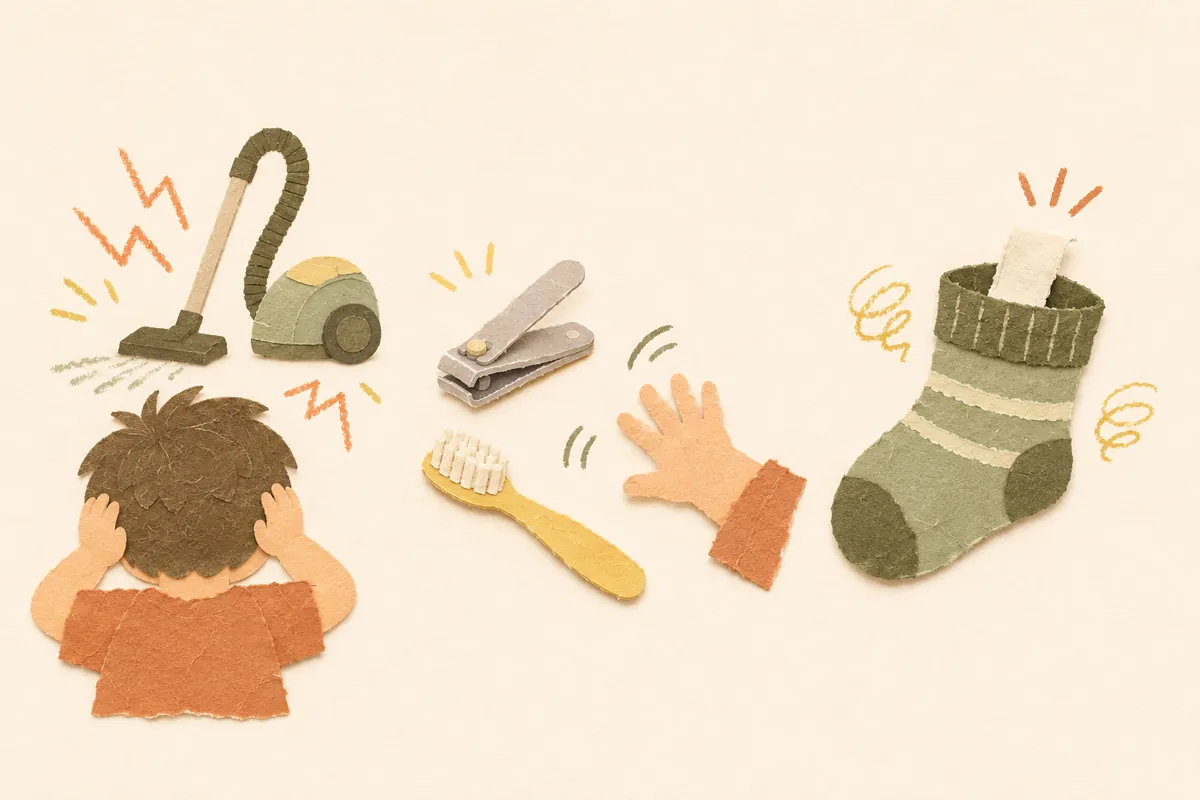
Nail cutting, hair washing or tooth brushing are a battle
Labels, socks or some fabrics are unbearable
Loud noises bring hands over ears or tears
Jumping, spinning or crashing into things more than other children
Eating only a few foods, or avoiding some textures
What happens
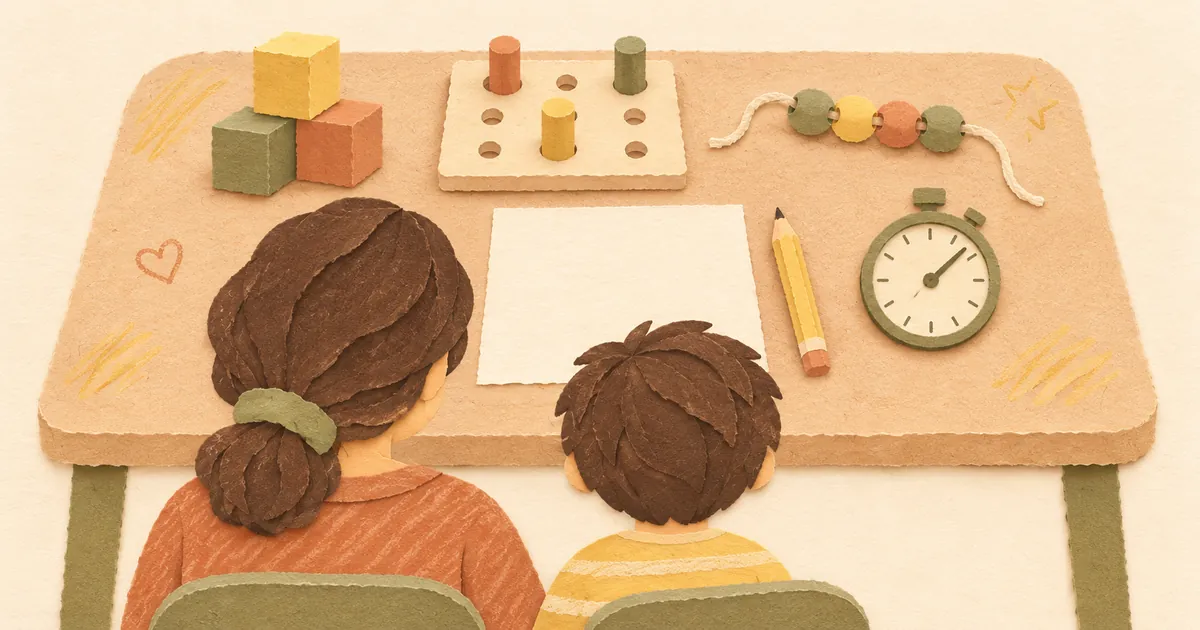
About an hour. The therapist asks about daily routines, uses a standard questionnaire and watches your child play with swings, balls, sand and things of different textures. Your child never has to do anything they do not want to.

Afterwards
The therapist explains how your child responds to the senses, suggests ways to adjust routines at home, such as before bed or nail cutting, and tells you whether therapy would help.
Leave us a message or add @playpath on LINE.
Would you like a therapist to see your child?
Tell us what you have noticed. A therapist will call you back for a chat first. No referral needed.