Handwriting assessment
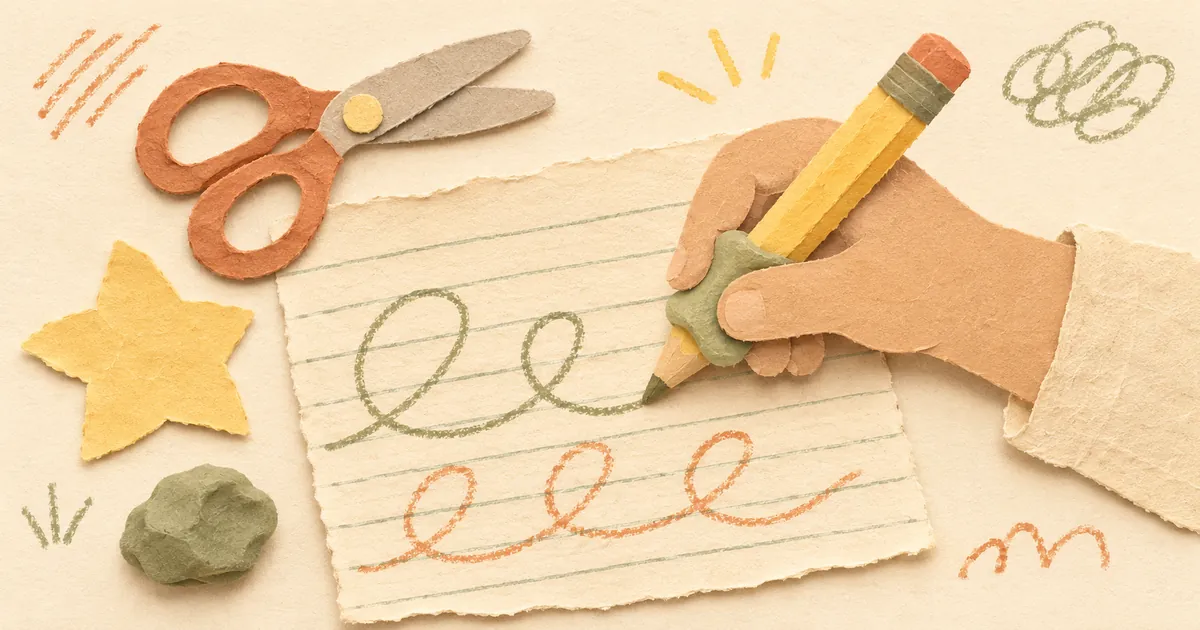
Writing draws on many things at once: hand muscles, eyes, posture and attention. If writing is hard for your child, an assessment finds where it gets stuck, rather than just adding more copying practice.
What parents and teachers often notice
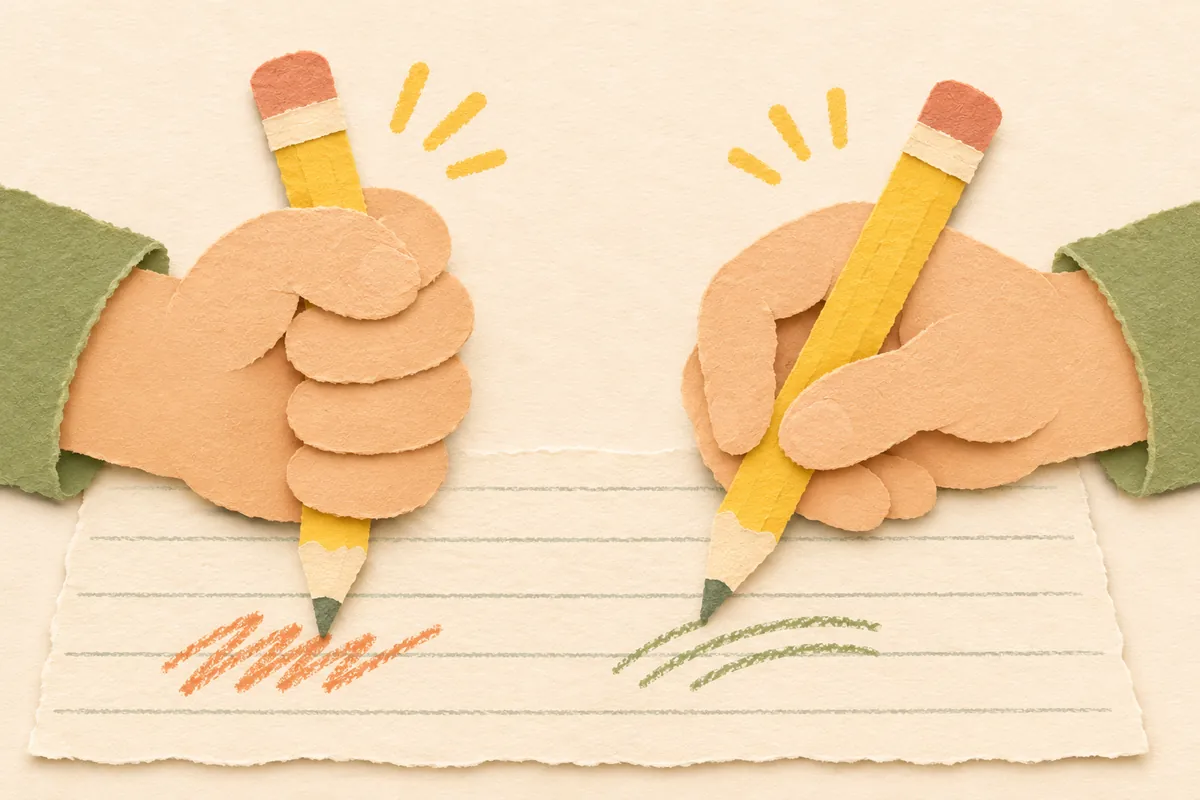
Gripping the pencil too hard, or with the whole fist
Writing slower than classmates, or not finishing copying from the board
Letters of uneven size, not staying on the line
Tired hands, or avoiding writing
Scissors, buttons or small objects are difficult
What happens
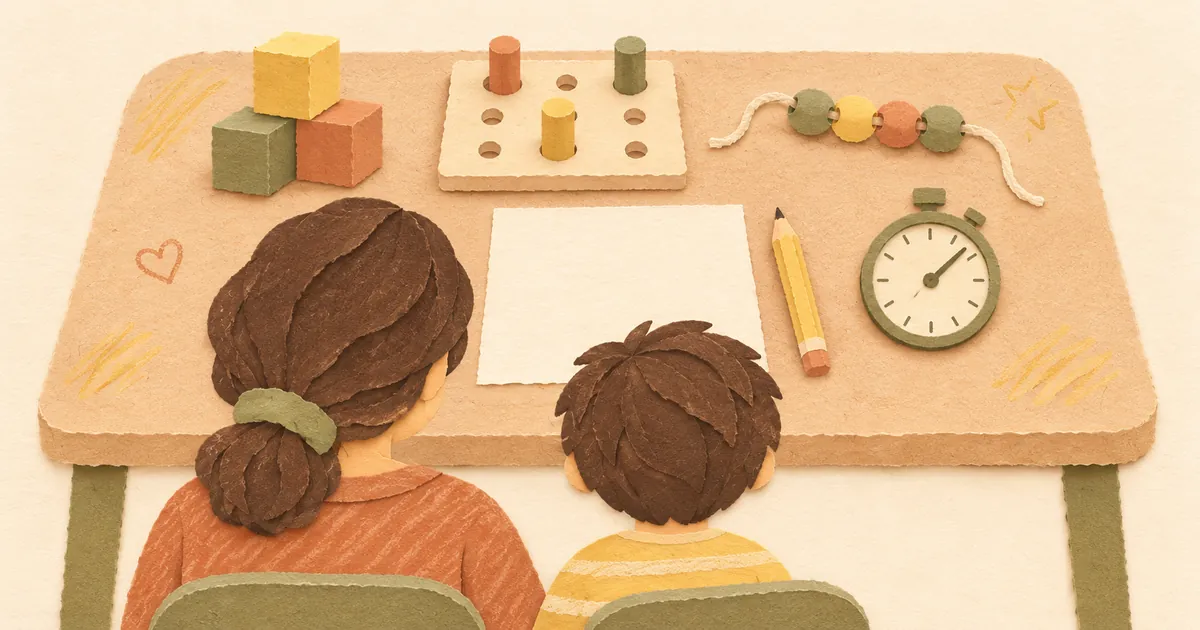
About an hour. The therapist looks at posture, pencil grip, hand strength and how the eyes guide the hand, and asks your child to write or draw at their level. Bringing a school exercise book helps a lot.
Afterwards
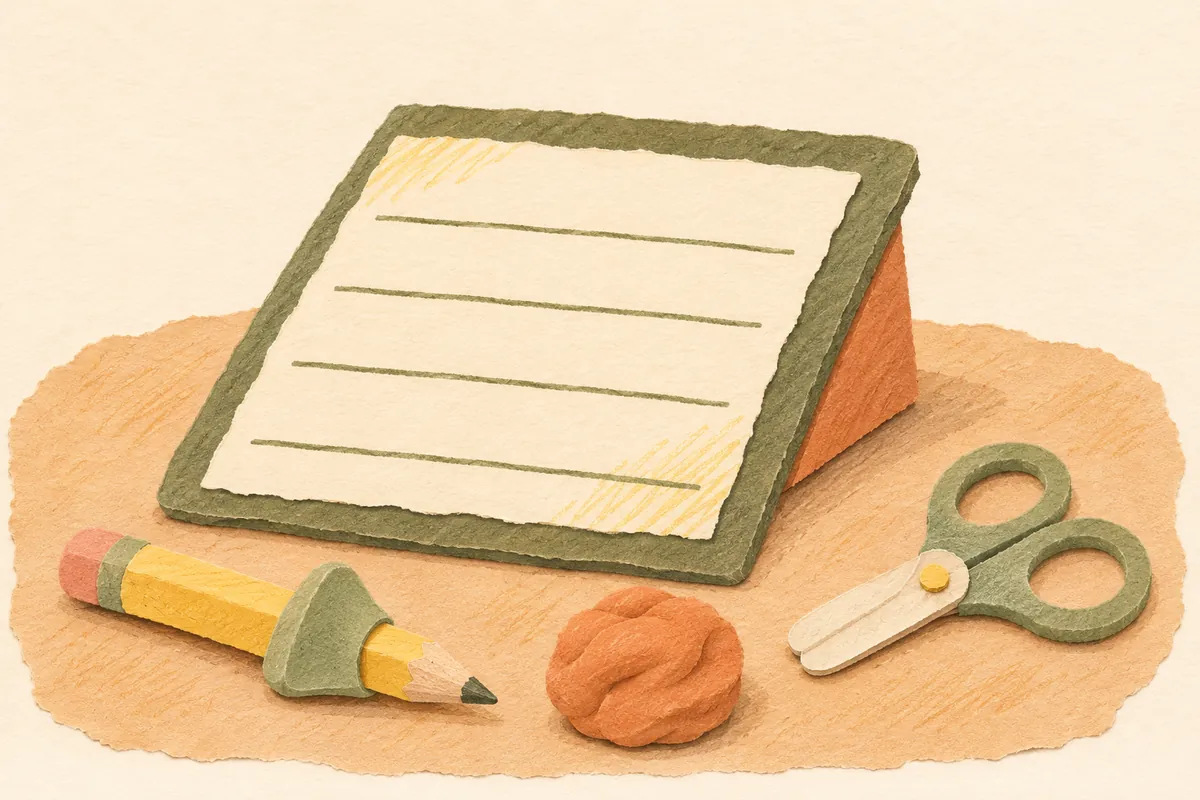
The therapist explains what is affecting the writing, suggests tools and activities for home and school, and tells you whether therapy would help.
Leave us a message or add @playpath on LINE to book.
Would you like a therapist to see your child?
Tell us what you have noticed. A therapist will call you back for a chat first. No referral needed.