Developmental screening

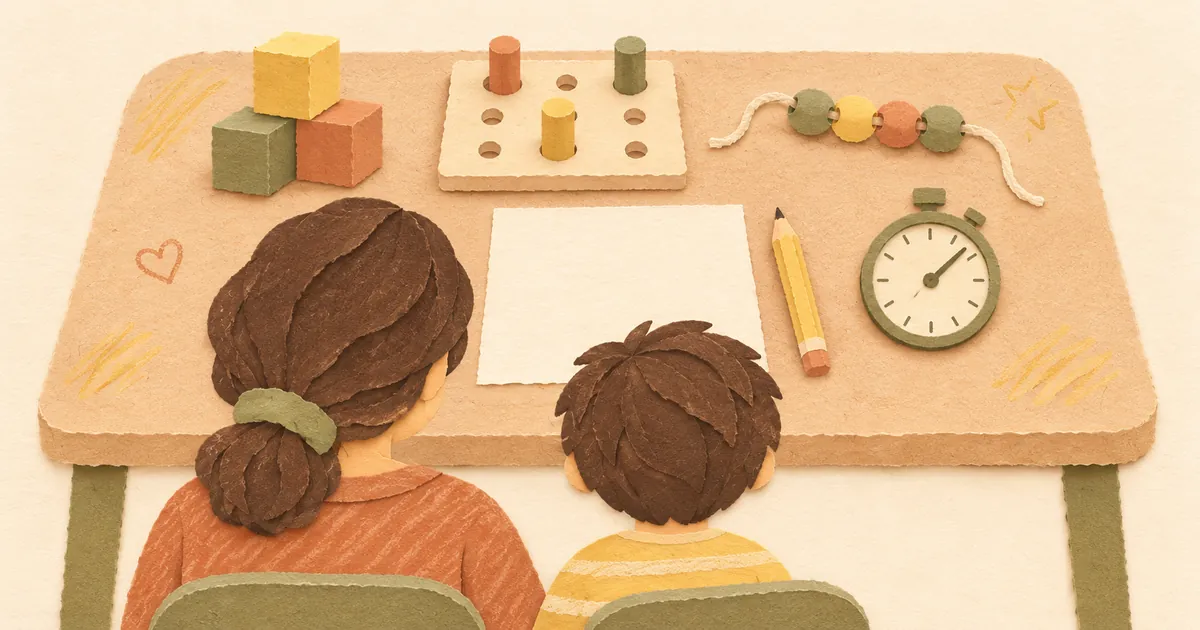
Screening is the place to start when something feels off but you are not sure what to do next. Maybe spoons and pencils are hard, touch seems to bother your child, or the teacher has mentioned sitting still in class.
Who it is for
Parents who have noticed something and want to know whether it matters
Children who have not seen an occupational therapist before
Families who want to know which area to look at more closely
What happens
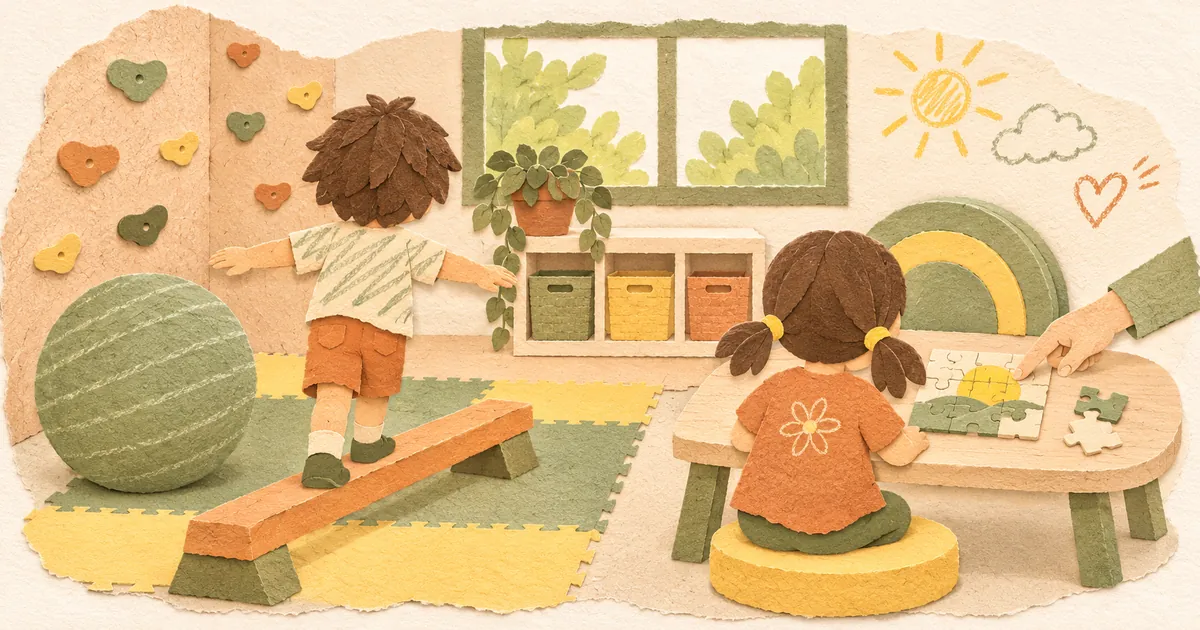
About an hour. The therapist plays with your child using activities that suit their age, watching hand use, movement, balance and how they respond to touch and sound. You stay in the room the whole time.
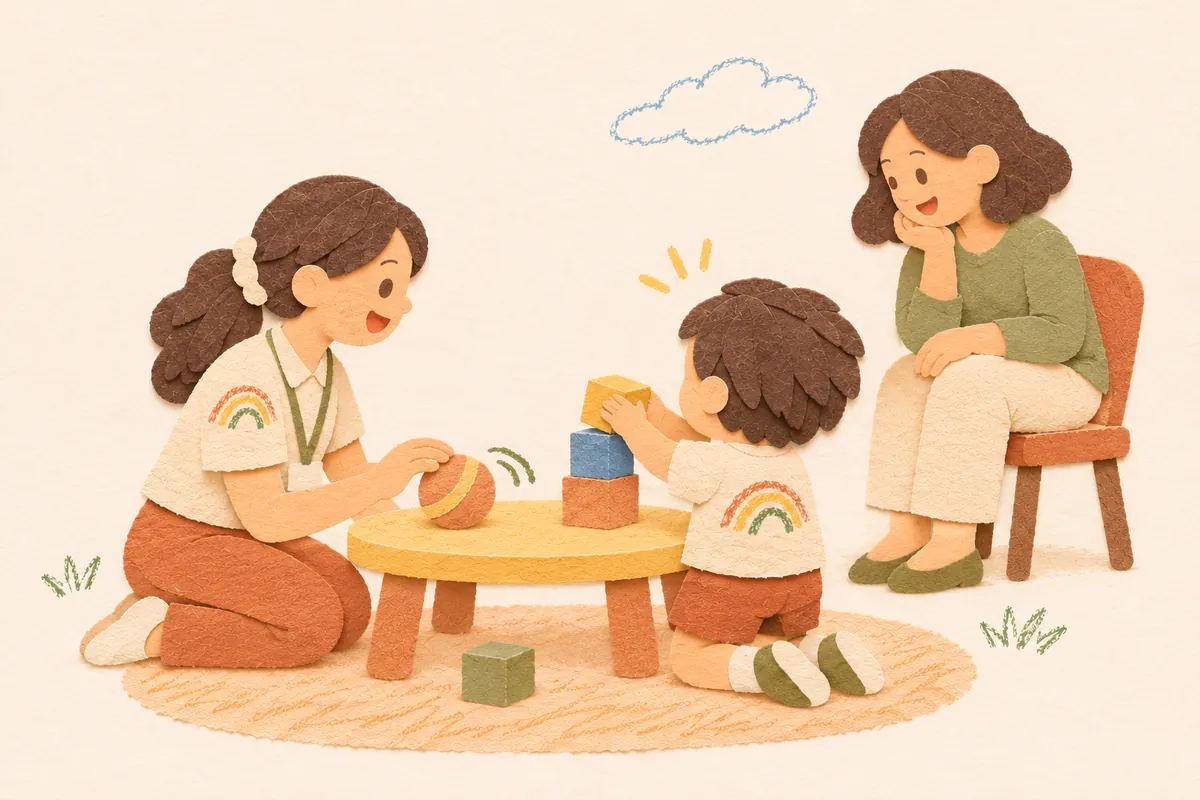
At the end the therapist tells you what they saw, what your child already does well and whether anything needs a closer look. If there is nothing to worry about, we will say so, and give you ideas to play at home.
How to prepare
Clothes your child can move in
A note of what you have noticed and what you want to ask
Any school notes or earlier reports, if you have them
No doctor's referral needed

After the screening
If a closer look would help, the therapist suggests which one: sensory, handwriting or a full assessment. The screening fee comes off your next assessment once.
Want to talk first? Leave us a message or add @playpath on LINE, and a therapist will call you back before booking.
Would you like a therapist to see your child?
Tell us what you have noticed. A therapist will call you back for a chat first. No referral needed.