
What is pediatric occupational therapy, and how is it different from physiotherapy?

In this article
In occupational therapy, occupation does not mean a job. It means the things we do every day. For children those are playing, eating, getting dressed and learning. A pediatric occupational therapist helps children do more of these things on their own.
What pediatric OTs help with
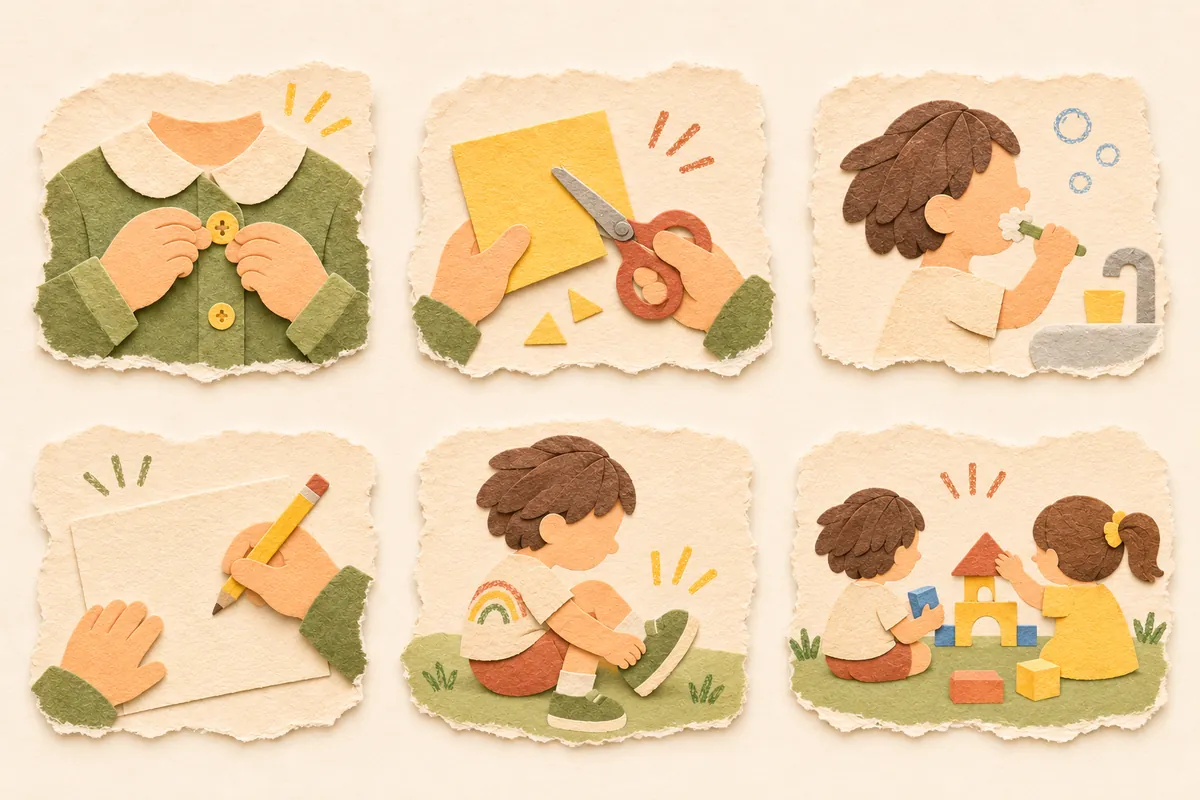
Hand skills: holding a pencil, using scissors, doing up buttons
Sensory processing: children who find noise or touch too much, or who jump and spin all day
Self-care for their age: eating, brushing teeth, putting on shoes
Handwriting and sitting to learn in class
Playing with others, taking turns and following rules
How it differs from physiotherapy
Physiotherapists focus on movement of the body: large muscles, walking and balance. Occupational therapists look at how a child uses body and mind to manage everyday activities. Some areas, such as balance, are shared, and the therapist will tell you if your child should also see the other profession.
How it differs from speech therapy
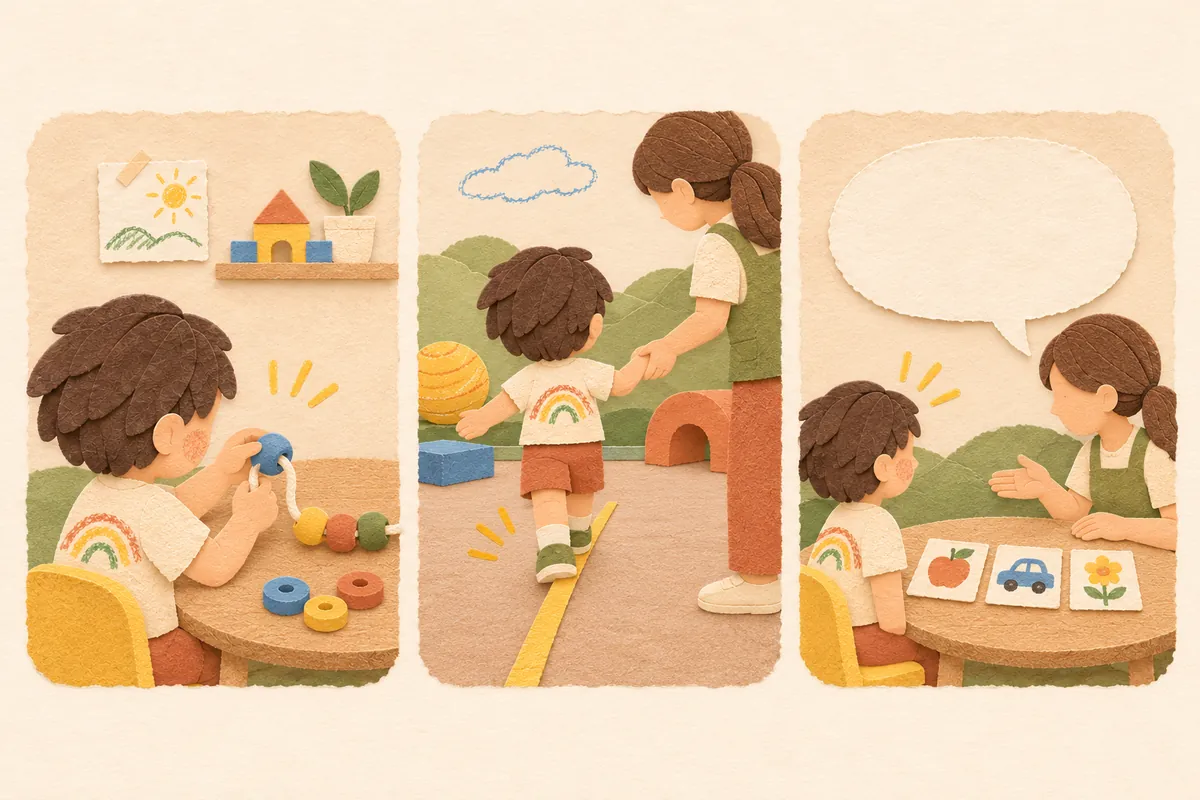
Speech and language therapists look after language, speech and swallowing. If your child has speech concerns as well as hand or sensory ones, seeing both usually works better than choosing one.
What therapy looks like
To your child, a session looks like play: swings, blocks, playdough and games. Every activity is chosen to work on the goals set in the assessment, and you take ideas home to keep practising, which helps progress.
When to see an OT
If what you notice is starting to get in the way of daily life, for example every morning's dressing ends in tears, or the teacher keeps mentioning handwriting, talking to an occupational therapist tells you whether it needs a closer look. Read signs it is time for a developmental check, or start with a screening.
Would you like a therapist to see your child?
Tell us what you have noticed. A therapist will call you back for a chat first. No referral needed.