
Signs it is time for a developmental check

Every child grows at their own pace, and doing something later than classmates is not always a problem. This article gathers signs that occupational therapists often suggest are worth a conversation. It is not a diagnostic test. If you are unsure, asking is better than waiting.
Hand skills
Picking up small things or using the fingers is clearly harder than for children the same age
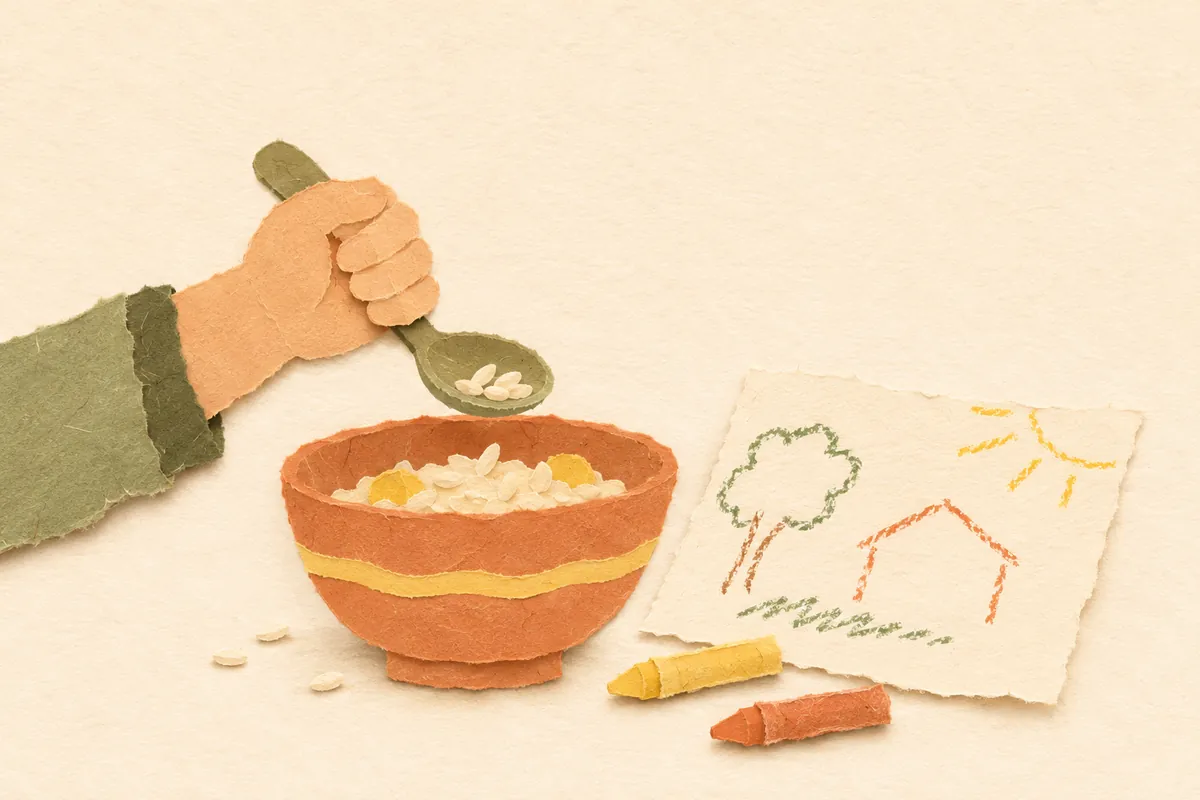
Holding a pencil or spoon in a fist when classmates use their fingertips
Hands tire quickly, or drawing, colouring and cutting are avoided
Movement and balance
Falling or bumping into things more than others
Avoiding playground equipment such as swings and slides, or fear when the feet leave the ground
Tiring easily, finding it hard to sit upright for long
Senses
Strong distress at nail cutting, hair washing or tooth brushing
Clothing labels or some fabrics are unbearable
Covering ears at sounds others do not find loud
Constant jumping, spinning or pressing hard, enough to affect learning or sleep
Self-care
Not yet eating, dressing or putting on shoes alone when most children of the same age can
Eating so few foods that you worry about nutrition
At school
Teachers keep mentioning writing, sitting or following instructions
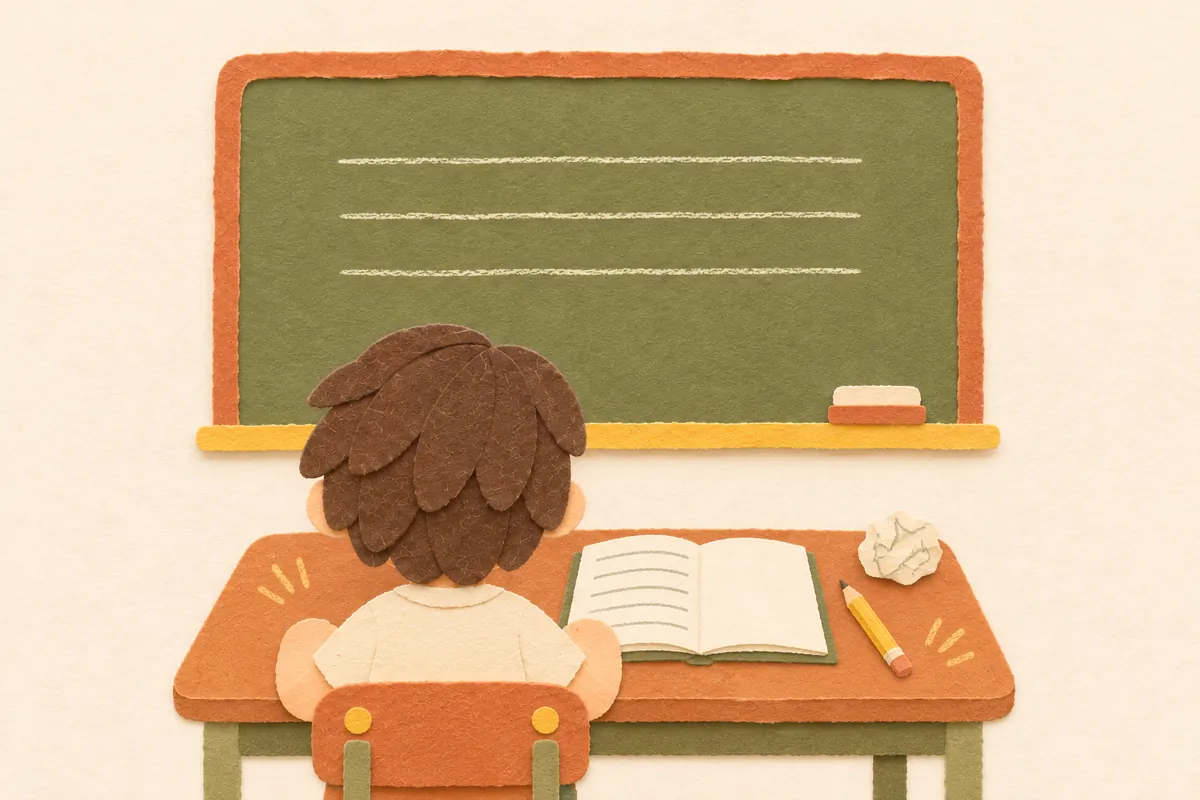
Not finishing copying from the board, or written homework taking far too long
Finding it hard to play with others or wait for a turn
What to do next
If several signs in one group fit, or what you see makes daily life harder, start with a one-hour screening; no referral needed, and a note of what you have noticed helps a lot. If you see medical warning signs, such as losing skills your child used to have, see a pediatrician first.
Read more: what is pediatric occupational therapy?
Would you like a therapist to see your child?
Tell us what you have noticed. A therapist will call you back for a chat first. No referral needed.